
How Yoga Studios Can Attract New Students in a Competitive Market
About Caresa Hope: Founder of HopeSpring Digital and a digital marketing strategist specializing in SEO, AI-ready content, conversion-focused web design, and business strategy that helps small businesses turn online visibility into measurable growth.
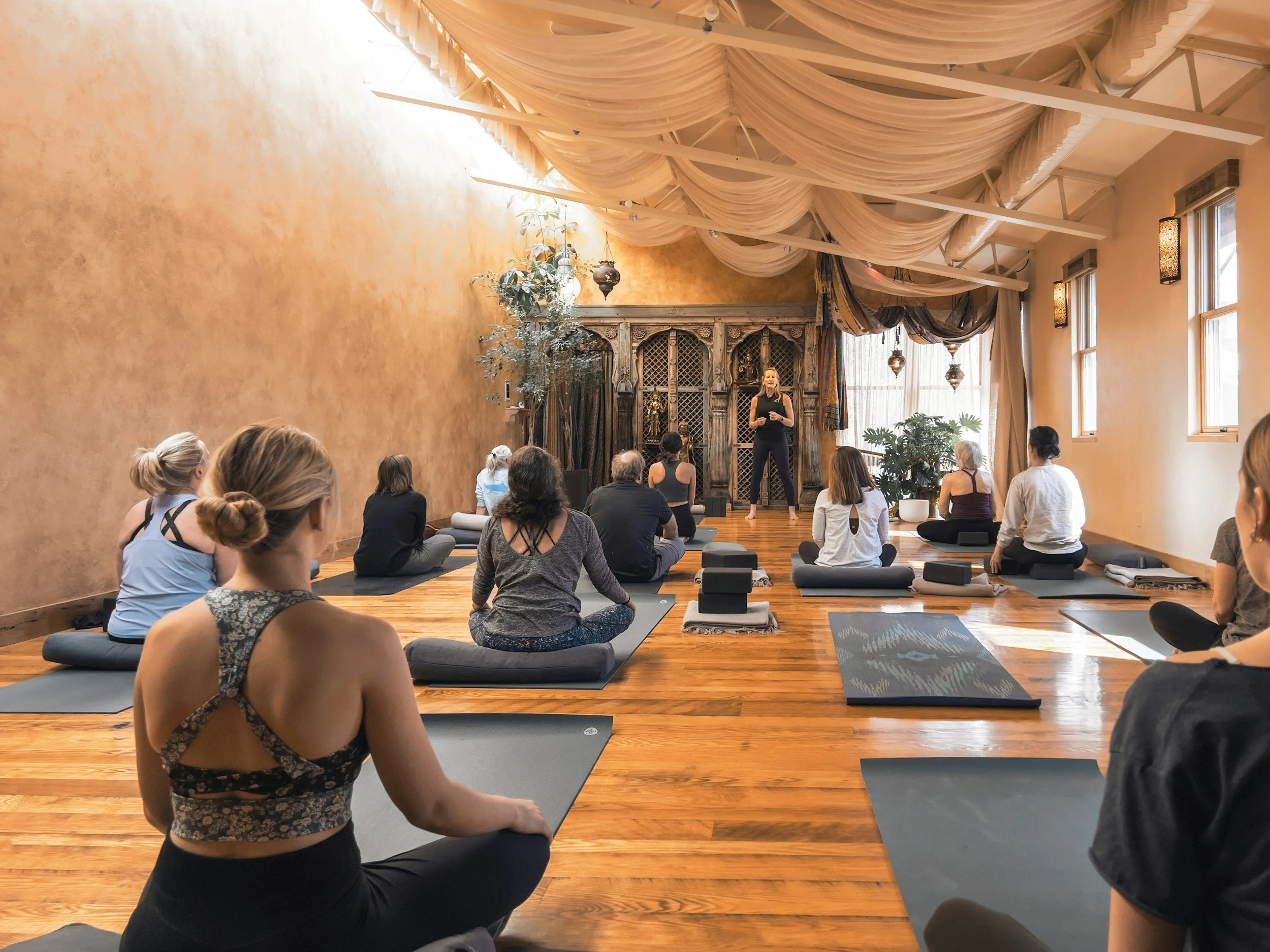
Yoga studios are everywhere now.
What was once a niche practice has become mainstream. Big-box gyms offer yoga classes. Online platforms stream sessions on demand. Independent instructors host pop-ups in parks, breweries, and coworking spaces. For studio owners, standing out can feel harder than ever.
Yet some studios continue to grow. Their classes fill. New students walk through the door consistently. Community builds naturally.
The difference is rarely the style of yoga alone.
Studios that attract new students reliably tend to focus on clarity, experience, and connection rather than trying to out-market everyone else. They make it easy for someone to understand what they offer, feel comfortable showing up, and want to return.
This guide breaks down how yoga studios can attract new students in a competitive market using strategies that work in real communities, not just online.
Key Takeaways
New students choose studios that feel clear, welcoming, and approachable.
Experience and atmosphere matter as much as class style.
Visibility supports discovery, but comfort drives conversion.
Community connection builds trust faster than promotions.
Consistency creates momentum in competitive markets.
Why New Students Hesitate to Try a Yoga Studio
Most people who are curious about yoga are not avoiding it because they lack interest.
They hesitate because they feel unsure.
Common concerns include:
Not feeling “good enough” at yoga
Worrying about fitting in
Not understanding class types or levels
Fear of judgment or embarrassment
Uncertainty about what to expect
Research in consumer psychology shows that uncertainty is one of the biggest barriers to action, even when interest exists [1]. Studios that reduce uncertainty attract more first-time students.
Clarity Is the First Growth Lever
Many yoga studios unintentionally create confusion.
Websites list every class, every teacher, and every philosophy without explaining who the studio is actually for. Schedules feel overwhelming. Language feels insider-focused.
Nielsen Norman Group research shows that people decide whether something feels relevant within seconds, especially online [2].
Clear studios answer quickly:
Who this studio is for
What kind of experience to expect
How to get started
Clarity creates relief. Relief invites action.
Your Website Is Often the First Class Someone Takes
Before anyone steps into a studio, they usually visit the website.
Google reports that 76 percent of people who search for a local business on their phone visit one within 24 hours, and 28 percent of those visits result in a purchase [3]. For yoga studios, that “purchase” is often a first class or intro pass.
Effective yoga studio websites:
Explain class types in plain language
Clearly label beginner-friendly options
Make pricing easy to understand
Show real photos of the space and people
Make it obvious how to book the first class
When websites feel calm and intuitive, studios feel more approachable.
First Impressions Shape Whether Students Return
Attracting new students does not stop at getting them through the door.
Hospitality and wellness research shows that early experiences disproportionately influence whether someone returns, even if later experiences improve [4].
For yoga studios, first impressions include:
How students are greeted
Whether staff seem present and welcoming
How easy check-in feels
Whether expectations are explained clearly
How the space feels emotionally
A warm, grounded first experience builds trust immediately.
Atmosphere Matters More Than Perfection
New students are not evaluating alignment cues or pose precision.
They are sensing whether they belong.
Research from Harvard Business Review shows that sensory and emotional cues strongly influence memory and attachment, particularly in wellness and service environments [5].
Studios that attract new students often:
Keep lighting soft and welcoming
Maintain clean, uncluttered spaces
Use calm, approachable language
Create a non-competitive energy
Perfection intimidates. Warmth invites.
Class Structure Can Lower Barriers
Studios sometimes unintentionally cater only to experienced practitioners.
Clear class structure helps new students feel safe.
This includes:
Beginner or foundations classes
Clear class descriptions
Teachers offering options without calling people out
Language that normalizes rest and modification
Education research shows that people engage more confidently when expectations and structure are clear [6].
When students know what they are walking into, anxiety drops.
Visibility Still Drives Discovery
Even the most welcoming studio needs to be visible.
BrightLocal research shows that 87 percent of consumers use Google to evaluate local businesses, including wellness studios [7].
For yoga studios, visibility includes:
Google Business Profile with accurate hours
Updated photos of the studio
Clear class information
Recent reviews
Studios with complete Google profiles are 2.7 times more likely to be considered reputable [8].
Reviews Reduce Social Risk
Trying a yoga studio feels personal.
BrightLocal found that 79 percent of consumers trust online reviews as much as personal recommendations [7]. For yoga studios, reviews often focus on:
Instructor energy
Studio atmosphere
Inclusivity
Beginner-friendliness
Positive, recent reviews reassure new students that others felt comfortable there.
Community Is a Stronger Draw Than Discounts
Intro offers help, but they are not what creates loyalty.
Cone Communications research found that 85 percent of consumers are more likely to support businesses that feel connected to their community [9].
Yoga studios build community by:
Learning students’ names
Creating space for connection before or after class
Hosting small gatherings or workshops
Collaborating with local wellness businesses
Belonging keeps people coming back.
Consistency Builds Trust Over Time
In competitive markets, consistency stands out.
That includes:
Reliable class schedules
Consistent instructor quality
Clear communication
Predictable studio culture
PwC research shows that consistency across experiences builds trust and loyalty, often more than novelty [10].
People return to what feels dependable.
Why Some Yoga Studios Struggle to Attract New Students
Studios that struggle often:
Speak primarily to advanced practitioners
Overcomplicate class offerings
Neglect first-time student experience
Rely heavily on promotions
Lack clear messaging about who they serve
These challenges are usually fixable without major overhauls.
Sustainable Growth Comes From Reducing Friction
Attracting new students is less about convincing and more about removing barriers.
When it is easy to understand, easy to enter, and easy to belong, growth follows naturally.
Frequently Asked Questions
Do yoga studios need to niche down to grow?
Not necessarily, but clarity about who the studio is best for improves conversion.
Are intro offers still effective?
Yes, when paired with a welcoming experience and clear next steps.
How important are reviews for yoga studios?
Very. Reviews help reduce social anxiety for first-time students [7].
Is online yoga competition hurting studios?
It raises expectations, but in-person experience remains a strong differentiator.
What is the fastest way to attract new students?
Improve clarity, beginner experience, and local visibility.
About HopeSpring Digital
HopeSpring Digital is a Minnesota-based web design and SEO studio that helps small, community-focused businesses grow with clarity and confidence.
We specialize in building simple, high-performing websites and local SEO systems that make it easier for the right people to find you, understand you, and take the next step. For yoga studios, that often means creating calm, conversion-friendly websites, improving Google Maps visibility, and removing friction from the first interaction.
Our flagship One-Page Website Optimized for Conversions, SEO, AI & Branding is designed for studios that want a clear, welcoming online presence without unnecessary complexity. Ongoing support is available through our Website Care & Performance Plan and Local SEO Essentials, helping studios stay visible and consistent as they grow.
Our approach is always grounded, collaborative, and built for real results.
Citations
Journal of Consumer Psychology, Uncertainty and Decision-Making
https://www.sciencedirect.com/journal/journal-of-consumer-psychologyNielsen Norman Group, First Impressions and Relevance
https://www.nngroup.com/articles/first-impressions/Google, Local Search and Store Visit Behavior
https://www.thinkwithgoogle.com/consumer-insights/local-search-statistics/Journal of Service Research, Early Experience Impact
https://journals.sagepub.com/home/jsrHarvard Business Review, Sensory Experience and Memory
https://hbr.org/2015/10/the-right-way-to-delight-your-customersAmerican Psychological Association, Structure and Learning Confidence
https://www.apa.org/monitorBrightLocal, Local Consumer Review Survey
https://www.brightlocal.com/research/local-consumer-review-survey/Google Business Profile, Trust and Completeness Data
https://support.google.com/business/answer/7091Cone Communications, Community Connection and Buying Behavior
https://www.conecomm.com/research-blog/2017-cone-communications-csr-studyPwC, Consistency and Customer Trust
https://www.pwc.com/us/en/services/consulting/library/consumer-intelligence-series/future-of-customer-experience.html