
Why Consistency Beats “Big Campaigns” for Small Business Growth
About Caresa Hope: Founder of HopeSpring Digital and a digital marketing strategist specializing in SEO, AI-ready content, conversion-focused web design, and business strategy that helps small businesses turn online visibility into measurable growth.
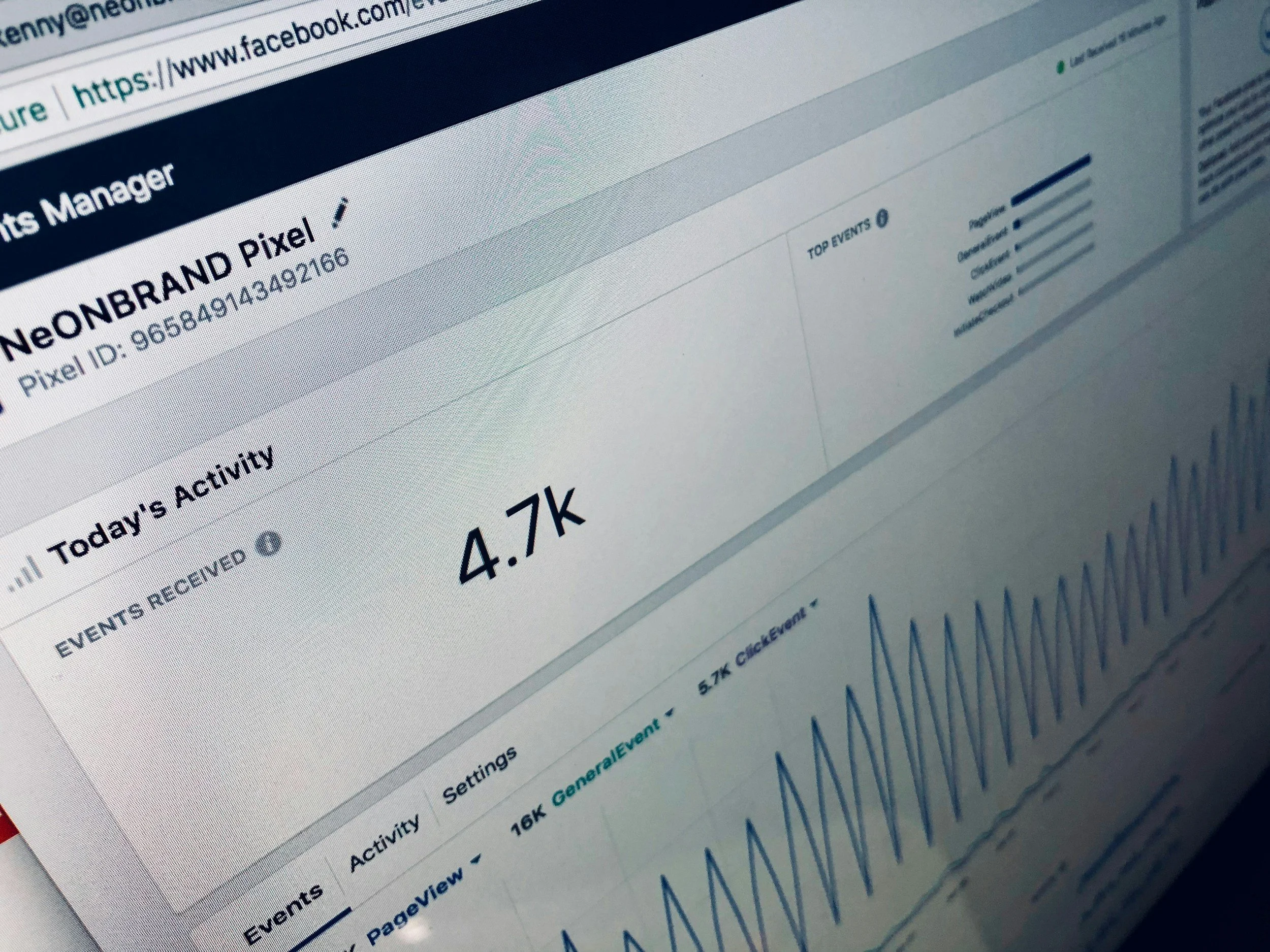
Many small businesses follow the same cycle. They plan a big push. A launch, a sale, a campaign, a rebrand. Energy goes up. Traffic spikes. Leads come in.
Then the campaign ends. And everything goes quiet again.
This leads to a tempting conclusion: “We just need another big campaign.”
But here’s the truth most businesses learn the hard way: Big campaigns create attention. Consistency creates growth.
For small businesses, consistency almost always beats intensity.
Key Takeaways
Big campaigns create short-term spikes, not long-term momentum.
Consistency builds trust, recall, and compounding visibility over time.
Small businesses benefit more from repeatable systems than large bursts.
Inconsistent marketing resets progress instead of building on it.
Sustainable growth comes from rhythm, not launches.
Why Big Campaigns Feel So Appealing
Big campaigns feel productive.
They have:
Clear deadlines
Defined goals
Visible results
Emotional payoff
You can point to them and say, “We did something.”
Consistency, on the other hand, feels slow and invisible. There’s no dramatic moment. No clear finish line.
But marketing doesn’t reward drama. It rewards repetition.
What Big Campaigns Actually Do Well
Big campaigns are not useless.
They’re good at:
Creating awareness quickly
Driving short-term traffic
Testing new offers
Generating excitement
The problem is not running campaigns. The problem is expecting campaigns to replace a system.
Without consistency underneath, campaigns spike and collapse instead of compounding [1].
Why Small Businesses Feel the Drop-Off More
Large brands absorb volatility. Small businesses feel it immediately.
When marketing relies on campaigns:
Lead flow becomes unpredictable
Revenue fluctuates
Planning becomes reactive
Pressure increases before each launch
Research consistently shows that smaller organizations benefit more from steady execution than from episodic marketing bursts [3]. Consistency protects against volatility.
How Consistency Actually Builds Growth
Consistency works because it compounds.
Each small action:
Reinforces your message
Builds familiarity
Strengthens trust
Improves recall
Over time, this creates momentum that doesn’t disappear when activity slows [2].
Campaigns restart attention. Consistency carries it forward.
The Trust Factor Most Businesses Underestimate
People rarely buy the first time they see you.
They notice. They remember. They come back later.
Consistency increases:
Familiarity
Credibility
Perceived reliability
Behavioral research shows that repeated exposure builds trust more effectively than one-time high-impact exposure [2]. For service businesses especially, trust beats urgency.
Why Inconsistency Resets Progress
Inconsistent marketing creates gaps.
When gaps appear:
Algorithms stop learning
Audiences forget
Momentum resets
Each effort starts from zero
This is why marketing feels exhausting when it’s campaign-based. You’re always rebuilding instead of building forward [4].
The Compounding Advantage Campaigns Can’t Match
Consistency turns marketing into an asset.
Examples of compounding efforts include:
SEO content that ranks over time
Regular local visibility
Clear, repeated messaging
Ongoing review generation
Steady website optimization
These efforts don’t disappear when you pause. They continue working quietly [5]. Campaigns stop when the budget or energy stops.
What Consistency Looks Like in Practice
Consistency does not mean doing everything.
It means doing a few things reliably.
For most small businesses, that looks like:
Clear website messaging maintained over time
One or two primary marketing channels
Regular visibility where customers already look
Ongoing trust signals like reviews and updates
Small, repeatable improvements instead of big resets
Consistency is about rhythm, not volume.
Why Consistency Feels Slower (But Isn’t)
Consistency feels slow because results don’t spike.
But when you zoom out:
Fewer drop-offs
More predictable leads
Better-fit inquiries
Shorter sales cycles
Research shows that steady marketing outperforms burst marketing over longer time horizons, even when total effort is lower [1].
Consistency looks boring. Its results aren’t.
When Big Campaigns Actually Work Best
Campaigns work best when:
A foundation already exists
Messaging is clear
Conversion systems are ready
Consistent activity supports the spike
In this case, campaigns amplify momentum instead of creating temporary noise.
Consistency first. Campaigns second.
How to Shift From Campaign Thinking to Consistent Growth
This shift doesn’t require more time.
It requires different decisions:
Fewer channels
Clearer priorities
Smaller commitments
Longer timelines
Instead of asking: “What big thing should we do next?”
Ask: “What small thing can we sustain?”
That question changes everything.
Frequently Asked Questions
Does consistency mean posting constantly?
No. It means showing up predictably, not frequently.
Are campaigns still useful?
Yes, when they build on a consistent foundation [1].
How long does consistency take to work?
Early improvements often appear in weeks, stronger momentum in months [5].
What if I don’t have much time?
Consistency matters more when time is limited. Small, repeatable actions win [3].
Can consistency work without ads?
Yes. Organic and local efforts benefit greatly from repetition [2].
A More Grounded Way to Think About Growth
Small businesses don’t grow by shouting louder. They grow by showing up reliably.
Consistency builds trust, familiarity, and momentum that campaigns can’t replace. It turns marketing into infrastructure instead of events.
Big campaigns feel exciting. Consistent growth feels calm. And for small businesses, calm is usually the sign that something is finally working.
Citations
[1] McKinsey, Marketing ROI and Long-Term Growth
https://www.mckinsey.com/capabilities/growth-marketing-and-sales/our-insights
[2] Nielsen Norman Group, Trust and Familiarity in User Behavior
https://www.nngroup.com/articles/trust-and-credibility/
[3] Harvard Business Review, Small Business Strategy and Focus
https://hbr.org/2017/01/the-biggest-challenges-for-small-businesses
[4] PwC, Consistency and Customer Trust
https://www.pwc.com/us/en/services/consulting/library/consumer-intelligence-series/future-of-customer-experience.html
[5] CXL Institute, Compounding Marketing Efforts
https://cxl.com/blog/marketing-compounding/