
Wedding Vendor Collaboration Tips: How Planners, Photographers, and Florists Can Grow Together
About Caresa Hope: Founder of HopeSpring Digital and a digital marketing strategist specializing in SEO, AI-ready content, conversion-focused web design, and business strategy that helps small businesses turn online visibility into measurable growth.
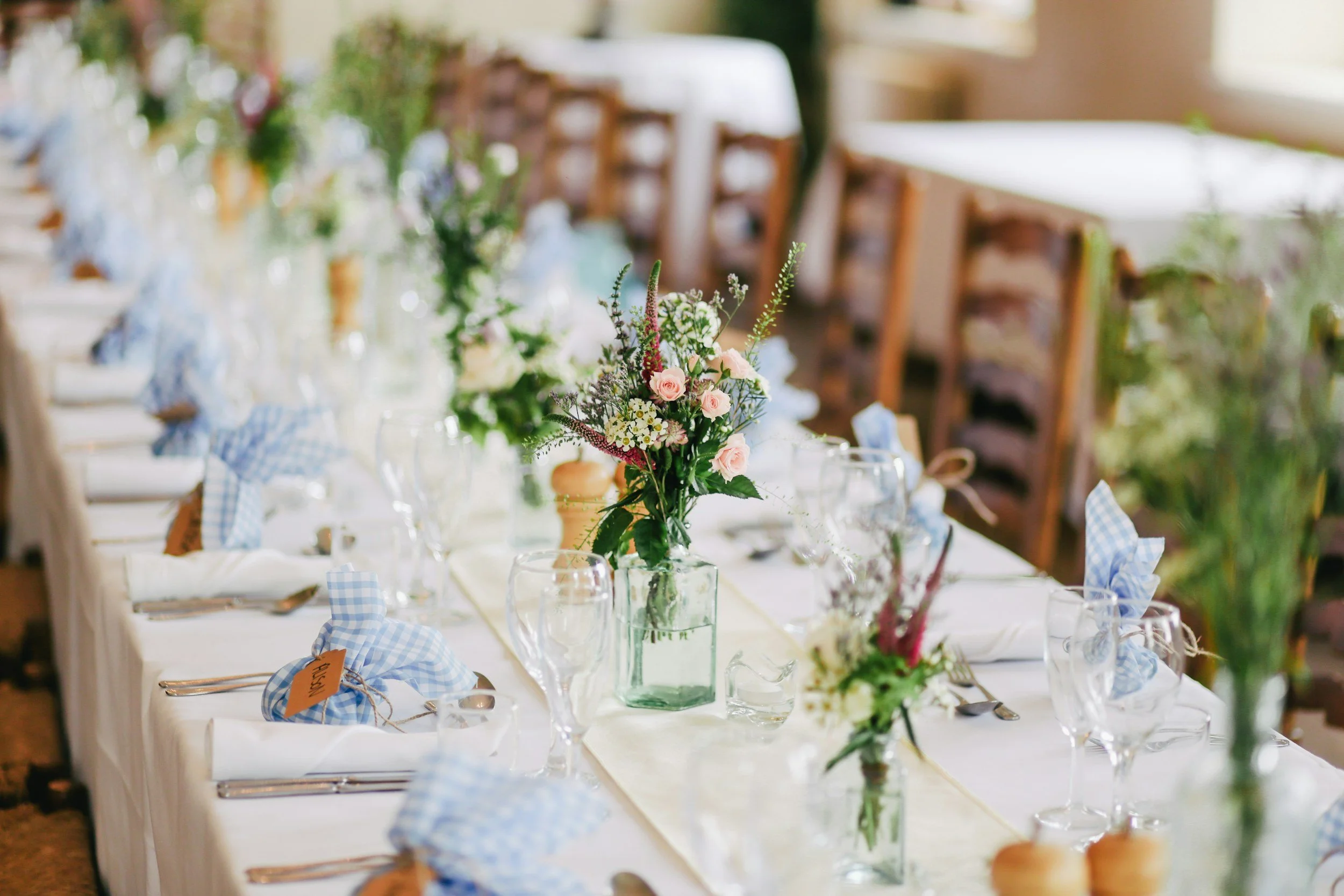
The wedding industry is built on relationships, whether anyone calls it that or not.
Couples rarely hire one vendor in isolation. They look for reassurance. They ask questions. They lean on recommendations from people they already trust. When vendors work well together, couples feel it immediately. When they don’t, the tension shows just as clearly.
Some of the most consistently booked wedding planners, photographers, and florists are not chasing exposure or networking endlessly. They are part of strong professional ecosystems. They know who they trust. Other vendors know how they show up. Referrals happen naturally because the experience has already proven itself.
This article looks at how wedding vendors can collaborate in ways that actually lead to growth, not just visibility. The focus is on trust, shared experience, and long-term momentum rather than short-term promotion.
Key Takeaways
Collaboration works best when it is built on experience, not exposure.
Vendor trust strongly influences referrals and booking decisions.
Couples feel more confident hiring teams that already work well together.
Consistent collaboration compounds over time.
Strong vendor relationships create better weddings and stronger businesses.
Why Collaboration Is So Powerful in the Wedding Industry
Weddings are emotional, expensive, and deeply personal. Couples are not just hiring services. They are assembling a team they trust to guide them through a once-in-a-lifetime experience.
According to The Knot’s Real Weddings Study, nearly 80 percent of couples rely on vendor recommendations when building their wedding team [1]. Those recommendations most often come from planners, venues, photographers, and florists who have worked together before.
Collaboration works because it lowers risk. Couples assume vendors who already know each other will communicate better, anticipate problems, and keep things running smoothly. That assumption is usually correct.
Collaboration Is Earned on Wedding Days, Not Online
It is easy to think collaboration starts with social media tags or styled shoots. In reality, it starts on real wedding days.
Research into professional referrals shows that trust and perceived reliability matter more than visibility alone when people decide who to recommend [2]. Vendors refer people who make their jobs easier, not just those with strong branding.
Showing up prepared. Communicating clearly. Staying calm under pressure. Respecting timelines. These moments build reputations quietly. Over time, they turn into referrals without anyone having to ask.
How Planners, Photographers, and Florists Support Each Other
Each role touches the wedding day differently.
Planners manage logistics, timelines, and expectations. Photographers shape the flow of moments and often act as informal coordinators during key transitions. Florists influence how the space feels emotionally and visually.
When these roles are aligned, everything runs more smoothly. Timelines stay intact. Creative decisions feel cohesive. Stress stays lower for everyone involved, especially the couple.
That shared experience is what makes collaboration powerful. It is not theoretical. It is felt.
Why Vendor Referrals Convert So Well
Referrals shorten the decision process.
Nielsen research shows that people are four times more likely to move forward when a recommendation comes from someone they trust [3]. In weddings, where stakes are high, that trust matters even more.
A referred vendor already feels vetted. Couples assume quality, professionalism, and compatibility before the first conversation. That confidence reduces comparison shopping and speeds up booking decisions.
Building Real Vendor Relationships Takes Time
Strong vendor relationships are not built through one coffee meeting or a single styled shoot.
Behavioral research from the American Psychological Association shows that trust develops through repeated positive interactions, not one-off exchanges [4]. Wedding vendors experience this naturally over time by working together season after season.
Each wedding adds a data point. Each smooth collaboration reinforces trust. Over time, those experiences create a mental shortlist of people worth recommending.
What Healthy Collaboration Actually Looks Like
Healthy collaboration tends to feel unremarkable from the outside.
It looks like photographers sending galleries to florists so they can share their work. Planners confidently recommending vendors they know will follow through. Vendors tagging each other thoughtfully without expectation. Credit being given freely.
None of this feels transactional. It feels professional.
Styled Shoots Can Help, But Only When They Reflect Reality
Styled shoots have a place in the wedding industry, but they are often misunderstood.
Industry conversations and editorial insights suggest that styled shoots are most effective when they mirror real client experiences, rather than chasing trends or aesthetics disconnected from actual weddings [5].
The most useful shoots involve vendors who already work well together, have a shared creative vision, and plan intentionally. When done well, they strengthen relationships and create assets everyone can use. When done poorly, they drain time and energy.
Shared Visibility Builds Faster Than Solo Promotion
One of the quiet benefits of collaboration is how visibility compounds.
Marketing research shows that co-marketing and shared promotion build credibility faster than solo efforts, especially in relationship-driven industries [6]. When multiple trusted vendors share the same event or experience, that trust transfers naturally.
Couples see patterns. Familiar names appear together. Confidence builds.
Communication Holds Everything Together
Even talented teams struggle without communication.
Harvard Business Review research highlights that clear communication improves performance and reduces friction in cross-functional teams [7]. Weddings are the definition of cross-functional work.
Clear timelines. Respect for workflows. Calm problem-solving. Professional follow-up. These habits shape how vendors are remembered long after the wedding ends.
Consistency Is What Turns Collaboration Into Growth
One great collaboration does not create momentum. Repeated ones do.
Vendors who grow through collaboration show up the same way every time. They are dependable. They respect others’ roles. They protect the couple’s experience.
Trust compounds slowly, but it is durable once earned.
When Collaboration Becomes Transactional, It Breaks
Collaboration stops working when it becomes conditional.
Research in business ethics shows that transactional relationships are less stable and less trusted over time [8]. When referrals feel forced or reciprocal by obligation, trust erodes.
Healthy collaboration has no scorekeeping. Referrals happen because confidence exists, not because favors are owed.
Digital Presence Still Supports Vendor Referrals
Even strong referrals are usually verified online.
Google research shows that people routinely research professionals after receiving recommendations [9]. For wedding vendors, that means websites, portfolios, and profiles need to support the referral conversation.
Clear services, consistent branding, updated galleries, and thoughtful testimonials help referred couples feel confident reaching out.
Collaboration Ultimately Benefits the Couple Most
The strongest reason collaboration works is simple. Couples have better experiences.
Customer experience research shows that seamless service delivery increases satisfaction and word-of-mouth [10]. When vendors trust each other, stress decreases and creativity improves. Couples feel supported rather than managed.
That experience becomes the story they tell friends. And that story fuels future referrals.
Frequently Asked Questions
Do vendors need formal referral agreements?
No. Organic referrals based on experience tend to be more trusted and effective.
Are styled shoots required to collaborate?
Not at all. Real weddings build stronger, more durable relationships.
How can newer vendors collaborate without a long portfolio?
By assisting, second shooting, and showing professionalism consistently.
Should vendors only collaborate within their niche?
Alignment and values matter more than niche labels.
How long does collaboration take to pay off?
Usually months or years. Collaboration compounds gradually.
A More Sustainable Way to Grow in Weddings
The wedding industry rewards connection more than competition.
Planners, photographers, and florists grow strongest when they support each other, communicate well, and deliver consistent experiences. Over time, those relationships turn into referrals, visibility, and momentum that no algorithm can replace.
The most trusted wedding brands are rarely built alone.
Citations
The Knot, Real Weddings Study
https://www.theknot.com/content/real-weddings-studyHarvard Business Review, Trust and Professional Referrals
https://hbr.org/2015/01/what-is-a-good-value-propositionNielsen, Trust in Recommendations
https://www.nielsen.com/us/en/insights/article/2015/global-trust-in-advertising/American Psychological Association, Familiarity and Trust
https://www.apa.org/monitor/nov01/familiarityWedding Industry Insider, Styled Shoot Insights
https://weddingindustryinsider.com/HubSpot, Co-Marketing Effectiveness
https://www.hubspot.com/marketing-statisticsHarvard Business Review, Communication and Team Performance
https://hbr.org/2016/01/stop-making-decisionsJournal of Business Ethics, Relational vs Transactional Trust
https://link.springer.com/journal/10551Google Consumer Insights, Professional Research Behavior
https://www.thinkwithgoogle.com/consumer-insights/PwC, Experience and Word-of-Mouth
https://www.pwc.com/us/en/services/consulting/library/consumer-intelligence-series/future-of-customer-experience.html