
Landscaping Leads That Convert: How to Get More High-Value Clients This Year
About Caresa Hope: Founder of HopeSpring Digital and a digital marketing strategist specializing in SEO, AI-ready content, conversion-focused web design, and business strategy that helps small businesses turn online visibility into measurable growth.
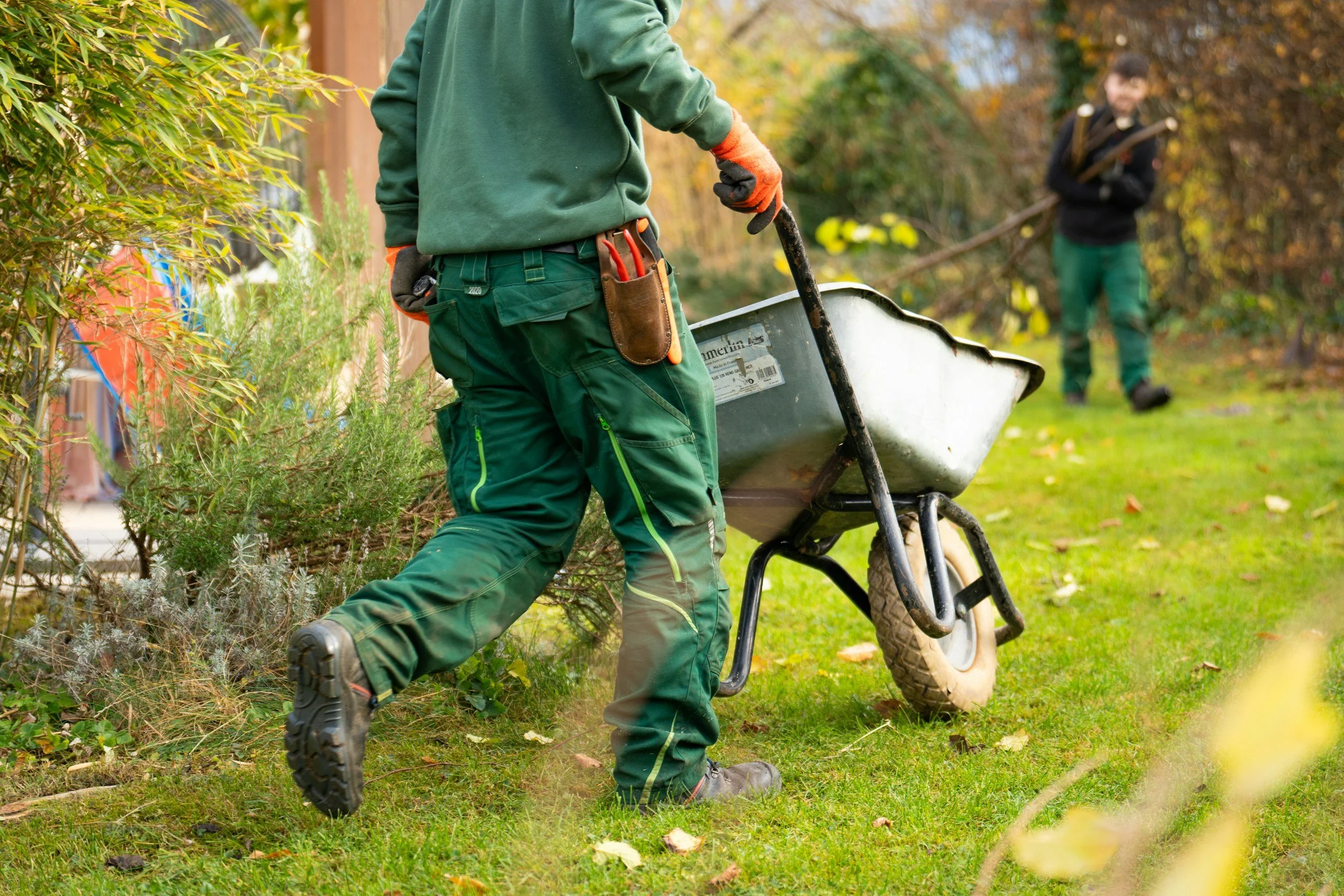
For landscaping business owners, “more leads” is often mistaken for “more success.” But the quality of your leads determines whether your phone rings with high-value clients ready to pay premium prices or with bargain hunters who waste your time and underpay.
In 2025, the U.S. landscaping services industry is a multi-billion-dollar market with steady growth and opportunity — but it is more competitive than ever. By leveraging proven strategies backed by real data, you can attract more high-value clients and convert them at a higher rate. (1)
This article outlines actionable steps based on industry statistics and best practices to move your lead generation from random inquiries to high-quality sales conversations.
Key Takeaways
Lead quality matters more than lead volume. Focusing on high-intent prospects can significantly increase close rates and revenue without increasing marketing spend.
Local SEO is one of the highest-converting channels for landscapers. Optimizing your Google Business Profile and targeting location-based keywords attracts clients who are ready to hire.
A conversion-focused website turns traffic into booked estimates. Clear messaging, service-specific pages, and strong trust signals reduce friction and improve inquiry rates.
Data-driven marketing decisions outperform guesswork. Tracking conversion rates, cost per lead, and revenue by channel helps you invest in what actually produces profit.
Fast follow-up and simple automation dramatically boost conversions. Responding quickly and nurturing leads can increase lead-to-sale conversion rates by 20 percent or more.
Paid ads work best when paired with strong SEO and clear messaging. Ads should supplement an optimized website and local presence, not replace them.
Consistent SEO and content build long-term lead quality. Ongoing optimization and educational content attract better-qualified prospects over time, creating sustainable growth.
Why Lead Quality Matters More Than Lead Volume
Generating leads is great, but lead conversion is what drives revenue.
Industry benchmarks indicate that Internet-based leads — including online forms and inbound calls — can convert at rates between 40% and 60% when handled effectively. (8)
Key insight: Higher conversion rates mean you need fewer but better-qualified leads to grow revenue. This shifts the focus from “getting more leads” to “attracting the right leads.”
The Big Picture: Landscaping Market Growth and Opportunity
Before optimizing your lead strategy, recognize the scale of the opportunity.
The U.S. landscaping services industry was valued at approximately $153 billion in 2024 and continues to expand. (1)
The market is growing at a compound annual growth rate (CAGR) of around 6.0% to 6.5%, showing both robust demand and resilience. (2)
This means the total available market for landscaping services continues to expand, opening doors for smart marketing and superior customer experience.
Step 1: Build Local SEO That Attracts Buyer Intent
Why Local SEO Matters
Most home and property owners start their search for landscaping services online — often with strong buying intent.
According to recent research, 78% of location-based mobile searches result in an offline purchase. That means your local SEO doesn’t just generate clicks — it drives real business. (3)
When someone searches “landscaping services near me,” they are often ready to hire or at least request a quote. This makes local SEO one of the highest-intent traffic sources you can target.
Actionable Local SEO Strategies
Optimize Your Google Business Profile
• Use accurate business name, service areas, and consistent contact information.
• Add high-quality photos of real projects.
• Post updates and respond to reviews regularly.Target Local Keywords
Research and include terms like “landscape design near me,” “yard landscaping services in [city],” or “hardscaping contractor [region]”. (4)Build Local Citations
List your business in directory sites such as Yelp, Houzz, Thumbtack, and local chamber listings.Generate Reviews
Positive reviews help your business stand out and improve local rankings.
Pro tip: Use tools like Google Search Console and local SEO platforms to track rankings for your top-intent keywords.
Step 2: Create a Website That Converts Traffic Into Leads
Your website should do more than exist — it should persuade.
Core Conversion Elements Every Landscaping Website Needs
Clear Value Proposition
Within seconds, a visitor should know:
What services you offer
Where you serve
Why you are different
What action they should take next
Put your primary call to action (like Request a Quote or Schedule a Consultation) above the fold.
Dedicated Service Pages
Separate pages for:
Landscape design
Hardscaping
Irrigation systems
Seasonal maintenance
Each page should answer:
What the service includes
Typical outcomes clients can expect
Who the service is ideal for
This both helps SEO and self-filters your leads based on service interest.
Trust Signals That Improve Conversions
Use social proof and credibility boosters such as:
Case studies with before/after photos
Customer testimonials
Certifications and awards
Project pricing ranges (if appropriate)
Guarantees or warranties
Real data reminder: Sites with strong conversion elements routinely outperform generic, brochure-style sites in turning visitors into booked estimates.
Step 3: Use Keyword Research to Capture Search Demand
SEO isn’t a guess-and-hope process — it’s a data-informed strategy.
Rather than just ranking for “landscaping services,” use keyword research tools to uncover terms that reflect buyer intent and specific services.
Examples:
“Lawn irrigation installation near me”
“Best landscape designers in [city]”
“Commercial landscaping services quote” (4)
Targeting these phrases often brings higher-quality traffic — people closer to hiring than casually browsing.
Step 4: Track and Optimize What Actually Moves the Needle
Marketing without measurement is guesswork.
Key Metrics to Track
Lead Source Performance
Which channels bring actual booked work?
Conversion Rate
Percentage of visitors who become inquiries.
Cost Per Lead (CPL)
Understand what you pay for each inquiry across channels.
Close Rate
What proportion of leads become paying clients?
Revenue Per Lead Source
Track revenue back to the channels that produced it.
Example: The average cost per landscaping lead varies by tactic — digital sources can run at roughly $41 per lead on average, but that cost swings widely by region and service type. (7)
Without data, you cannot improve. With it, you gain actionable insights.
Step 5: Improve Follow-Up and Lead Nurturing
Leads rarely convert on the first touch.
Actionable follow-up tactics:
Respond to inquiries within minutes, not hours.
Use automated email/text sequences to nurture leads.
Send seasonal maintenance reminders to past contacts.
Provide value before selling (e.g., seasonal tips or checklists).
Boost in conversions: Even simple automation can improve lead-to-sale conversions by 20% or more. (5)
Step 6: Integrate Paid Ads Strategically
Organic SEO is critical, but paid traffic can supplement growth when done correctly.
Recent benchmarks for landscaping and lawn care Google Ads show:
~5.05% click-through rate (CTR)
~$3.65 average cost-per-click (CPC)
~$87.80 average cost-per-lead
~4.16% conversion rate from clicks to leads (6)
These figures show that paid ads can work, but only when aligned with a conversion-ready website.
Tips for effective paid traffic:
Target tightly around your service area (e.g., within 10-15 miles). (3)
Use specific service keywords (e.g., “retaining wall builder near me”).
Run campaigns only when your team can handle inbound inquiries.
Track lead costs and conversions weekly.
Paid traffic should augment SEO, not replace it.
Step 7: Use Content to Build Authority and Trust
SEO is not just technical optimization. It requires content that answers the questions high-value clients are asking.
Examples of content that attracts high-intent prospects:
“How long does a professional landscape install take?”
“Seasonal lawn care checklist for homeowners”
“Cost drivers in hardscaping projects”
“What to ask before hiring a landscape designer”
Educational content helps visitors find your site earlier in their decision journey and builds trust before you ever speak.
Step 8: Maintain and Improve Your SEO Over Time
SEO is not a one-time task — it’s an ongoing process.
Most landscaping businesses see measurable improvements in search visibility within 3–6 months of consistent SEO work.
Regular tasks include:
Updating older content
Adding new service pages
Refreshing metadata
Monitoring keyword performance
Improving site speed and usability
A sustained effort increases the volume of qualified traffic and leads over time.
Action steps to implement today
Audit and optimize your local SEO presence.
Improve your website’s conversion elements.
Build a keyword strategy that targets buyer intent.
Track the performance of every channel.
Enhance follow-up with automation and prompt response.
Use paid ads strategically to fill gaps, not replace SEO.
Publish content that answers high-intent questions.
Maintain and refine your SEO consistently.
When you shift your focus from quantity of leads to quality of conversations, your landscaping business will not just grow — it will thrive.
Frequently Asked Questions
How long before SEO delivers results?
Most businesses start seeing boosts in rankings and inquiries in 3–6 months with consistent SEO effort.
Should I use paid ads if my organic traffic is low?
Paid ads can drive short-term leads, but rely on them only if your website and follow-up system are ready to convert those inquiries into clients.
What’s a realistic conversion rate for landscaping leads?
Internet-based leads like forms and inbound calls can convert at 40% to 60% when properly followed up. (8)
How much should I spend on marketing?
Landscaping businesses commonly allocate 5%–10% of revenue for marketing. (9)
Is SEO worth it for landscapers?
Yes. SEO provides long-lasting visibility and traffic, with studies showing significant ROI and ongoing lead generation compared with purely paid channels over time. (10)
Citation Section
Landscaping industry valuation and size data, including ~661,000 landscaping businesses and $153 billion 2024 market size. (landscapeprofessionals.org)
U.S. landscaping services industry CAGR and growth forecasts. (IBISWorld)
Local SEO impact: 78% of location-based mobile searches resulting in offline purchases. (INSIDEA)
Keyword strategy insights for landscaper SEO. (Loopex Digital)
Automation can boost lead-to-sale conversion rates by ~20%+. (Abstrakt)
Paid search benchmarks for landscaping ads (CTR, CPC, conversion). (Evergrow Marketing)
Average cost per landscaping lead varies widely by region and method. (ServiceDirect Blog)
Internet-based lead conversion rate sweet spot ~40-60%. (Lawn & Landscape)
Typical marketing budget allocation for landscaping businesses. (Amra and Elma LLC)
SEO ROI data and long-term consistent SEO timing. (leads4build)