
Foot Traffic Ideas for Boutiques: What Actually Works for Small Shops
About Caresa Hope: Founder of HopeSpring Digital and a digital marketing strategist specializing in SEO, AI-ready content, conversion-focused web design, and business strategy that helps small businesses turn online visibility into measurable growth.
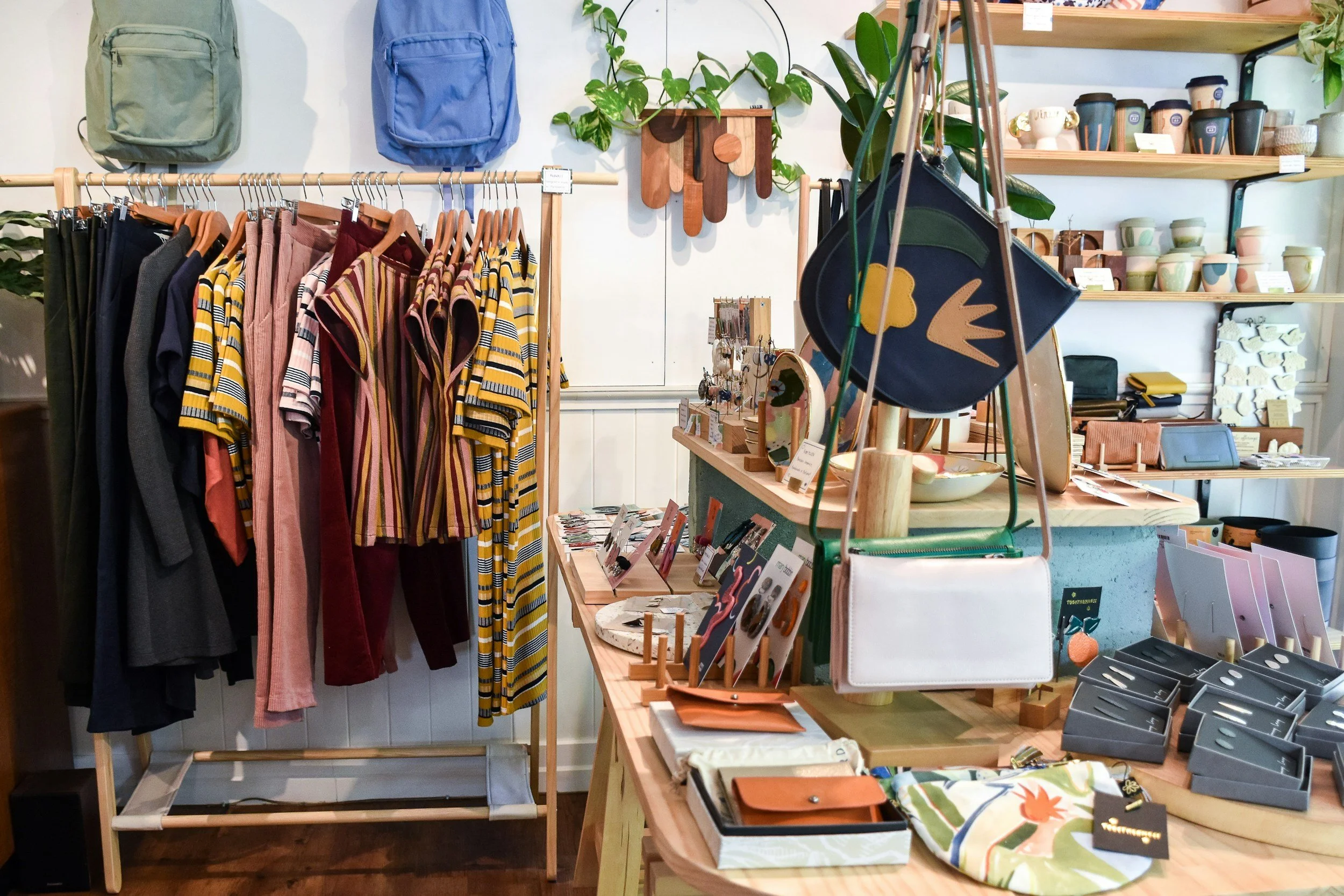
Foot traffic is not just about numbers. It is about momentum.
When people are walking in consistently, everything feels lighter. Displays get noticed. Conversations happen naturally. Sales feel less forced. When traffic slows, even beautiful merchandise can feel invisible.
Many boutique owners respond by running more sales, posting more online, or hosting bigger events. Sometimes those help briefly. Often, they do not address the root issue.
The boutiques that see steady, reliable foot traffic tend to focus on something deeper. They pay attention to how their shop looks, feels, and shows up before a customer ever steps inside.
This guide breaks down what actually drives foot traffic for small boutiques today, with a stronger focus on physical storefront design and in-person experience, alongside the digital and community strategies that support it.
Key Takeaways
Foot traffic starts with how your shop looks and feels from the sidewalk.
Storefront clarity and window design strongly influence walk-in behavior.
Local search and Google Maps play a major role in in-store visits.
Experience and atmosphere matter more than discounts for long-term traffic.
Consistency builds familiarity, and familiarity drives repeat visits.
Most Boutique Visits Start With a Visual Decision
People decide whether to enter a boutique in seconds.
Retail research consistently shows that storefront appearance strongly influences whether someone walks in, especially for boutiques where browsing is part of the experience [1].
Before reading a sign or checking prices, shoppers subconsciously ask:
What kind of shop is this?
Does it feel welcoming?
Is it for someone like me?
If the answer is unclear, they keep walking.
Storefront Design Is Your First Marketing Channel
Windows That Tell a Clear Story
Window displays are not just decoration. They are communication.
Effective boutique windows:
Highlight a clear theme or story
Feature a small, curated selection
Leave visual breathing room
Reflect the style inside the shop
Overcrowded windows create confusion. Empty windows feel closed. The goal is to spark curiosity, not explain everything.
Retail design studies show that clear, intentional displays increase dwell time and entry rates compared to cluttered or inconsistent ones [1].
Signage That Reduces Uncertainty
Shoppers hesitate when they are unsure what they are walking into.
Clear exterior signage helps by answering:
What do you sell?
Who is it for?
Are you open right now?
Simple signs like:
“Women’s Clothing & Gifts”
“Locally Made Goods”
“Open” signage that is visible from a distance
Reduce friction and make entry feel safer.
Lighting, Cleanliness, and Visibility
Lighting is one of the most overlooked foot traffic drivers.
A well-lit storefront:
Feels open and welcoming
Makes products visible from outside
Signals care and professionalism
Dim, uneven, or outdated lighting often discourages entry, even if the products inside are great.
The Transition From Sidewalk to Inside Matters
That first step inside sets the tone.
Boutiques that convert walk-bys into walk-ins often:
Keep entryways open and uncluttered
Avoid racks or tables blocking the door
Allow customers space to orient themselves
Greet without hovering
Retail behavior research shows that customers need a short “decompression zone” when entering a store to adjust and feel comfortable browsing [2].
Crowding the entrance creates pressure and shortens visits.
Store Layout Influences How Long People Stay
Longer visits increase the chance of purchases.
Effective boutique layouts:
Create natural flow paths
Encourage browsing rather than rushing
Group items in intuitive ways
Offer visual pauses between displays
Clear pathways and thoughtful spacing help customers relax, which increases engagement.
Sensory Experience Shapes Memory
People remember how a place feels.
Experience research shows that sensory elements like music, scent, and texture influence emotional connection and repeat visits [3].
For boutiques, this might include:
Soft, consistent background music
A light, recognizable scent
Natural materials or textures
Comfortable temperature
These details do not need to be expensive. They need to be intentional.
Why Digital Visibility Still Drives Physical Visits
Even with strong storefront design, most shoppers check online first.
Google reports that 76 percent of people who search for a local business on their phone visit one within 24 hours, and 28 percent of those visits result in a purchase [4].
Before visiting, shoppers often look up:
Hours
Photos
Reviews
Location
If online information is outdated or unclear, foot traffic suffers.
Google Maps and Reviews Influence Walk-Ins
BrightLocal research shows that 87 percent of consumers use Google to evaluate local businesses, and 79 percent trust online reviews as much as personal recommendations [5].
For boutiques, reviews often mention:
Atmosphere
Staff friendliness
Product selection
Overall experience
These cues heavily influence whether someone decides to visit.
Google also reports that businesses with complete profiles are 2.7 times more likely to be considered reputable [6].
Experience Is What Brings People Back
Foot traffic grows fastest when repeat visits increase.
PwC research shows that 73 percent of consumers say experience plays a key role in purchasing decisions, often outweighing price [7].
Boutique experiences that encourage return visits include:
Warm but low-pressure customer service
Remembering repeat customers
Making browsing feel comfortable
Creating a space people enjoy spending time in
Experience is often the difference between a one-time visit and a habit.
Community Connection Multiplies Foot Traffic
Small boutiques thrive when they feel embedded in the neighborhood.
Cone Communications found that 85 percent of consumers are more likely to support businesses that show community involvement [8].
Physical ways boutiques build community include:
Featuring local makers
Collaborating with nearby shops
Participating in neighborhood events
Hosting small, informal gatherings
Community connection turns foot traffic into loyalty.
Events That Support Traffic Without Burnout
Not every event needs to be big.
Retail studies show that smaller, consistent in-store moments often outperform large, infrequent events when it comes to repeat visits [9].
Examples:
New arrival previews
Trunk shows
Local artist pop-ins
Seasonal refresh days
Events should feel welcoming, not sales-heavy.
Why Some Boutiques Still Struggle With Foot Traffic
Boutiques that struggle often:
Neglect storefront appearance
Rely too heavily on discounts
Have inconsistent hours or signage
Feel intimidating or unclear to new shoppers
Overlook in-store experience details
These issues are rarely about effort. They are about alignment.
Sustainable Foot Traffic Is Built, Not Boosted
There is no single trick that guarantees foot traffic.
Healthy, consistent traffic comes from:
Clear storefront messaging
Inviting physical design
Strong local visibility
Thoughtful in-store experience
Community connection
These elements reinforce each other over time.
Frequently Asked Questions
Does storefront design really matter that much?
Yes. Shoppers often decide whether to enter based on visual cues alone [1].
Do boutiques still need Google Business Profiles?
Absolutely. Many in-store visits begin with online research [4].
Are discounts necessary to drive traffic?
Occasionally, but experience and consistency matter more long-term.
How often should window displays change?
Regular refreshes, even small ones, signal that the shop is active and cared for.
What is the fastest way to improve foot traffic?
Improve storefront clarity, update online profiles, and make entry feel welcoming.
A More Grounded Way to Grow Foot Traffic
Foot traffic does not grow from noise.
It grows from care.
When a boutique is easy to recognize, welcoming to enter, and enjoyable to spend time in, people return. They bring friends. They build habits.
That is how small shops become part of the neighborhood, not just another place to browse.
Citations
Retail Design Institute, Storefront and Window Display Impact
https://www.retaildesigninstitute.org/Paco Underhill, Why We Buy, Retail Entry Behavior Research
https://www.pacounderhill.com/Harvard Business Review, Sensory Experience and Customer Memory
https://hbr.org/2015/10/the-right-way-to-delight-your-customersGoogle, Local Search and Store Visit Behavior
https://www.thinkwithgoogle.com/consumer-insights/local-search-statistics/BrightLocal, Local Consumer Review Survey
https://www.brightlocal.com/research/local-consumer-review-survey/Google Business Profile, Trust and Completeness Data
https://support.google.com/business/answer/7091PwC, Future of Customer Experience Report
https://www.pwc.com/us/en/services/consulting/library/consumer-intelligence-series/future-of-customer-experience.htmlCone Communications, Community Involvement and Buying Behavior
https://www.conecomm.com/research-blog/2017-cone-communications-csr-studyEventTrack, Experiential Retail and Repeat Visits
https://www.eventtrack.com/