Tracking What Matters: Simple Ways to See Real Results from Your Website
Written by Caresa Hope, organic traffic strategist and founder of HopeSpring Digital, specializing in conversion-focused websites, local SEO, and AI-ready content for small businesses.
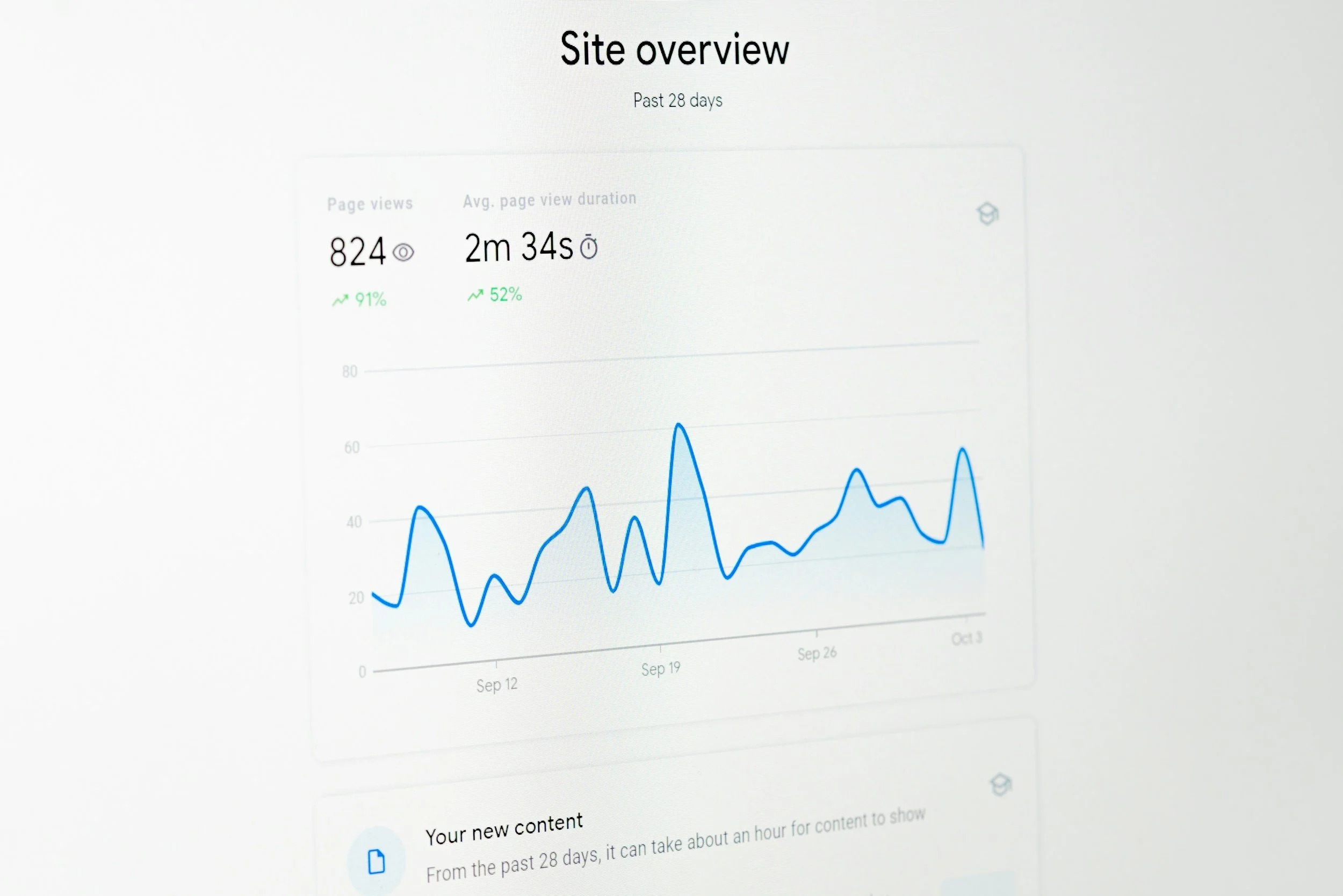
Most small business owners look at their website and wonder the same thing. Is it working? Is it bringing in leads? Is it doing its job?
The answer does not come from looking at your homepage or guessing based on how busy you feel. It comes from tracking the right website performance metrics, the ones that actually tell you how people use your site and what encourages them to take action.
The good news is that you do not need to be technical to understand your numbers. You only need a clear, simple way to track what matters most.
This guide breaks down the essential metrics, simple set-ups, and grounded systems that help you see real results from your website, even if you are not an analytics expert.
Key Takeaways
You do not need advanced tools to understand your website’s performance.
Website performance metrics reveal how visitors behave and what drives conversions.
Website analytics tracking helps small businesses make decisions grounded in real data.
Conversion tracking shows which actions lead to calls, emails, or bookings.
Simple, consistent tracking systems create clarity and long-term growth.
Why Most Small Businesses Track the Wrong Things
It is easy to get caught up in vanity metrics. Pageviews, impressions, and follower counts feel impressive. But on their own, they rarely reflect impact.
The numbers that actually matter are the ones connected to clarity, behavior, and action. These metrics show what visitors do on your site, how they move through your content, and what leads them to contact you.
Small businesses thrive when they track fewer metrics more intentionally. This is where a simple system becomes more powerful than a complicated dashboard.
The Website Performance Metrics That Tell the Real Story
This is where we focus our attention as part of ongoing SEO services and performance care.
Traffic Quality
Not all traffic is equal. High-volume traffic means very little if none of those visitors take action.
Key indicators of quality include:
Organic sessions from relevant searches
Local traffic if you serve Minnesota communities
Returning visitors who signal stronger intent
Time on page that reflects real engagement
Quality traffic leads to meaningful results. It is the foundation of every growth strategy we build.
Engagement Signals
Engagement tells you whether people find your content helpful.
Look for:
Scroll depth
Button clicks
Form interactions
Time spent on important pages
Small, clear improvements to layout, messaging, and navigation can significantly increase engagement.
Conversion Activity
Conversion tracking is the heartbeat of your website performance.
This includes:
Contact form submissions
Call button clicks
Booking requests
Quote or estimate submissions
Newsletter signups
PDF or resource downloads
If you are not tracking conversions, it is nearly impossible to know what is working or where to improve.
How Website Analytics Tracking Helps You Make Better Decisions
Website analytics tracking does more than show numbers. It gives you insight.
With consistent tracking, you can see:
Which pages bring customers closer to contacting you
Which traffic sources convert best
What parts of your site may confuse visitors
Which keywords attract your strongest leads
Which calls to action perform reliably
This clarity helps you make decisions rooted in real behavior, not assumptions.
Tools like Google Analytics, Search Console, and simple call tracking systems create powerful insight without added complexity.
These platforms also integrate seamlessly with our Website Care & Performance Plan, which provides consistent reporting and refinements month after month.
Why Conversion Tracking Should Be Your Top Priority
Conversion tracking turns website behavior into business insight.
It lets you answer questions like:
Did that new page increase calls?
Which blog posts bring in the most leads?
Are people clicking your booking button?
Which traffic sources generate the highest-quality inquiries?
Does your homepage messaging connect with visitors?
This data becomes the foundation of your lead conversion strategy.
Without it, you are guessing. With it, you are improving your business in real, practical ways.
Connecting Metrics to Business Metrics Tracking
Your website is part of your larger business ecosystem. To get the clearest picture, your website data should connect with your business metrics tracking.
This includes:
Leads generated
Sales closed
Average revenue per client
Customer lifetime value
Lead-to-client conversion rate
When you connect your website metrics with your business metrics, you can see what truly drives growth. This is where small business systems make a meaningful difference.
For example, integrating your website with a CRM can show exactly which actions lead to booked projects.
Simple Small Business Systems That Make Tracking Easier
You do not need enterprise tools to track results effectively. You need systems that are simple, repeatable, and aligned with your goals.
Some practical options include:
Monthly analytics reviews
A simple lead spreadsheet connected to conversion tracking
A shared dashboard with only the metrics that matter
Website care support that handles technical set-up and monitoring
A CRM that logs website-driven leads automatically
Small, intentional systems create big clarity.
This is why our monthly SEO services and Website Care & Performance Plan emphasize sustainability and simplicity. When tracking feels manageable, growth becomes consistent.
Bringing It All Together
When you focus on the website performance metrics that matter, your decisions become clearer and your results become stronger. Simple tracking systems help you understand what is working, what needs refinement, and how your website supports your business every day.
With the right metrics and steady support, you can grow your visibility, improve your conversions, and build a long-term strategy grounded in clarity.
FAQ
Which website performance metrics matter most?
Traffic quality, engagement signals, and conversions give you the clearest understanding of your site’s effectiveness.
Do I need advanced tools for website analytics tracking?
No. The basics like Google Analytics and Search Console are more than enough for most small businesses.
Why is conversion tracking important?
It shows which actions lead to calls, emails, and bookings, helping you improve your website with confidence.
How often should I review my metrics?
Monthly reviews offer the perfect balance between insight and sustainability without overwhelming your workflow.
What if I do not understand analytics?
Our Website Care & Performance Plan includes simple reports and clear guidance, so you always know what the numbers mean.
If you want clearer insights and a website that works harder for your business, we would love to support you. Through ongoing care and SEO programs, we help small businesses track what matters most so they can grow with confidence, clarity, and purpose.