
Tracking the Metrics That Actually Move the Needle for Small Businesses
About Caresa Hope: Founder of HopeSpring Digital and a digital marketing strategist specializing in SEO, AI-ready content, conversion-focused web design, and business strategy that helps small businesses turn online visibility into measurable growth.
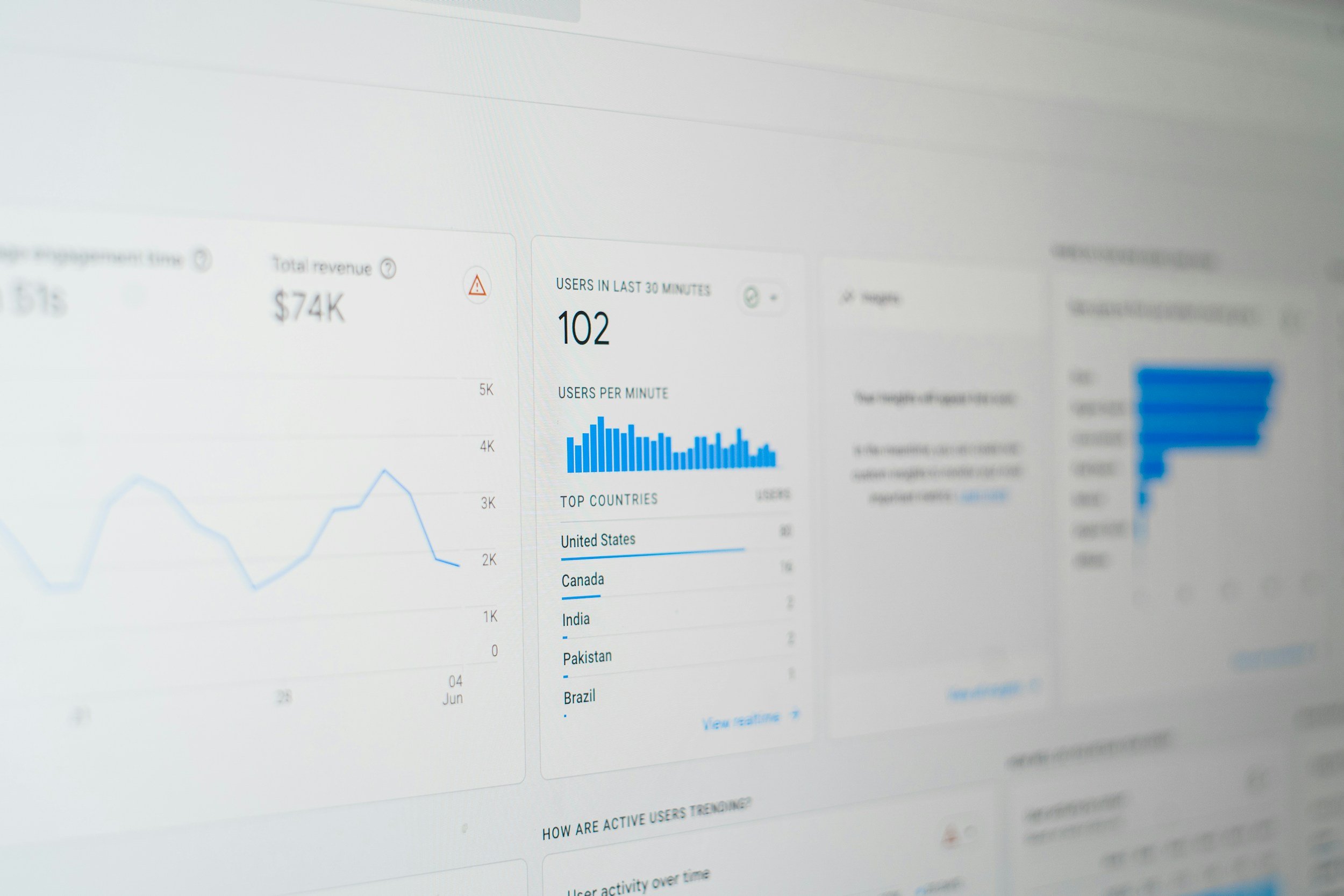
Most small business owners want to understand their numbers, but the world of dashboards, reports, analytics tools, and KPIs can feel overwhelming. When everything is being measured, it becomes hard to tell what actually matters.
The truth is that you don’t need dozens of metrics to grow. You only need a small set of meaningful indicators that help you make clearer decisions and understand what’s working.
This guide breaks down the handful of metrics that truly move the needle — and the simple systems that help you track them consistently.
Key Takeaways
Small businesses need fewer metrics, not more, to grow with clarity.
Website performance metrics help you understand how visitors actually use your site.
Conversion tracking reveals whether your digital presence is turning interest into action.
Consistent business metrics tracking supports confident, data-informed decisions.
Simple, sustainable systems matter more than complicated dashboards.
Why Clarity Matters More Than Quantity
The biggest mistake small businesses make is trying to track everything. But too many metrics create noise, not insight.
Effective business metrics tracking focuses on three things:
What leads to more revenue
What improves customer experience
What strengthens long-term sustainability
If a metric doesn’t support one of those three goals, it’s likely just data — not direction.
The Three Categories of Metrics That Matter Most
Instead of trying to absorb every available number, organize your metrics into three categories: performance, conversions, and sustainability.
Each category gives you a different lens on your business — together, they give you clarity.
1. Website Performance Metrics That Reveal Real Behavior
Your website is often the first impression customers have of your business. Understanding how they use it helps you make strategic improvements without guesswork.
Helpful website performance metrics include:
Top-visited pages (what people value most)
Time on page (whether they’re reading)
Bounce rate (whether the page met expectations)
Traffic sources (how people find you)
Mobile vs. desktop usage
These metrics give you a picture of how people move through your site, what they care about, and where they get stuck.
What matters most:
Patterns, not individual numbers.
Look for what people gravitate toward — and what they avoid. This shows you where to refine your messaging, navigation, or content.
2. Conversion Tracking That Shows What’s Actually Working
Traffic is helpful, but conversions tell the real story.
Conversion tracking helps you understand whether your digital presence is doing its job: turning curiosity into action.
Meaningful conversions for small businesses include:
Contact form submissions
Quote or estimate requests
Email signups
Booking or scheduling requests
Downloaded resources
Click-to-call interactions
Google Business Profile actions
If you’re not tracking these, you could be making decisions based on guesses instead of reality.
What matters most:
Consistent tracking across all channels.
Once you know which traffic sources convert well, you can prioritize the channels that actually bring in meaningful leads.
3. Business Metrics That Support Sustainable Growth
Beyond digital performance, small business owners need a handful of operational and financial metrics to feel grounded.
Essential small business metrics include:
Monthly recurring revenue
Lead source breakdown
Cost per lead
Lead-to-client conversion rate
Customer lifetime value
Project or service profitability
Client retention rate
These metrics reveal health, momentum, and long-term sustainability. They help you understand whether you’re profitable, where opportunities exist, and what needs refinement.
What matters most:
Consistency.
Monthly reviews offer enough insight to understand trends without overwhelming yourself with daily or weekly reporting.
The Role of Website Analytics Tracking in Clarity
Many small business owners install Google Analytics or Search Console but rarely check them. And when they do, it often feels confusing or too technical.
You don’t need to understand everything these tools offer — only the pieces connected to your goals.
Helpful website analytics tracking tasks include:
Reviewing your top-performing content
Identifying what drives the most leads
Checking whether organic traffic is rising
Understanding seasonal patterns
Monitoring new vs. returning visitors
This gives you a steady pulse on your visibility without demanding hours of your time.
Use Simple Small Business Systems to Make Tracking Easier
The easiest way to make metrics useful is to build small, repeatable systems around them.
You can implement simple systems such as:
A monthly metrics review meeting (even if it’s just you)
A spreadsheet with the same metrics logged each month
A recurring reminder to check key analytics
A lead-tracking sheet linked to your intake process
A short list of five numbers you prioritize above all else
Simple systems ensure you stay focused on the metrics that matter rather than getting lost in clutter.
Consistency, not complexity, drives clarity.
What You Should Stop Tracking
Some metrics look appealing but often distract from real progress.
It’s safe to deprioritize:
Social media follower counts
One-time spikes in traffic
Vanity metrics unrelated to revenue or customer experience
Overly technical SEO data
Engagement metrics with no clear purpose
These numbers may feel exciting, but they rarely reflect meaningful business growth.
How to Know If a Metric Matters
Ask yourself:
Does this help me improve a customer’s experience?
Does this help me make smarter decisions?
Does this connect to revenue, retention, or visibility?
Does this show whether my efforts are working?
If the metric doesn’t answer yes to at least one of these, it’s optional — not essential.
Bringing It All Together
Tracking metrics isn’t about collecting as much data as possible. It’s about knowing what matters and reviewing it consistently. When you focus on the website performance metrics, conversions, and business signals that actually support growth, decision-making becomes easier.
With simple systems and a calm, intentional approach, you can use your numbers to guide you — not overwhelm you.
Metrics should empower you, not exhaust you.
FAQ
Do I need a fancy dashboard to track metrics?
No. A spreadsheet or simple checklist works perfectly for most small businesses.
How often should I review my numbers?
Monthly reviews strike the right balance between clarity and sustainability.
What are the most important metrics for beginners?
Conversions, top traffic sources, and lead quality are strong starting points.
Do I need to track everything in Google Analytics?
Not at all. Only a handful of insights truly influence your growth.
How do systems help with tracking?
Systems keep your metrics consistent, comparable, and manageable over time.
If you ever need expert support in web design, SEO, or conversion optimization, HopeSpring Digital is always here as a reliable partner. Even without outside help, applying these strategies can help you create a strong online presence and drive meaningful growth for your business.